.svg)

How to Implement Mass Balance in the Chemical Industry: Systems, Steps and Requirements
Implementing mass balance in the chemical industry requires a digital system that tracks sustainable feedstock inputs, allocates sustainability attributes across production, and generates audit-ready reports aligned with certification schemes such as ISCC and RED III. The process involves integrating supplier data, production systems, and compliance workflows into a unified traceability infrastructure.
.jpg)



Why implementation is challenging
Most companies understand mass balance conceptually.
The challenge is operational:
- complex, multi-site production;
- mixed feedstocks;
- fragmented supplier data;
- certification requirements;
- audit pressure
At scale, mass balance becomes a data orchestration problem across the entire supply chain
The challenge is operational:
- complex, multi-site production;
- mixed feedstocks;
- fragmented supplier data;
- certification requirements;
- audit pressure
At scale, mass balance becomes a data orchestration problem across the entire supply chain
What companies need before starting
Before implementation, companies must clarify:
1. Scope
- which products / business units
- which feedstocks (bio, recycled, circular)
2. Regulatory exposure
- RED II / RED III
- ISCC or equivalent schemes
- customer-driven requirements
3. Traceability level
- batch-level
- site-level
- multi-site allocation
This defines system complexity
1. Scope
- which products / business units
- which feedstocks (bio, recycled, circular)
2. Regulatory exposure
- RED II / RED III
- ISCC or equivalent schemes
- customer-driven requirements
3. Traceability level
- batch-level
- site-level
- multi-site allocation
This defines system complexity

MASS BALANCE BOOKKEPING One-Pager
Excel spreadsheets cause bottlenecks, risks, and limit scalability. MARCO Track & Trace automates mass balance workflows, from supplier data to sustainability declarations, delivering audit-ready traceability and regulatory confidence.
Thank you! Your submission has been received!
Oops! Something went wrong while submitting the form.
Step-by-step implementation framework
1. Map supply chain inputs
- identify all feedstock sources
- capture sustainability attributes
- onboard suppliers
Biggest challenge: data availability and standardisation
- capture sustainability attributes
- onboard suppliers
Biggest challenge: data availability and standardisation
2. Define mass balance rules
- allocation logic (volume-based)
- time boundaries (monthly, quarterly)
- product attribution rules
Must align with certification standards
- time boundaries (monthly, quarterly)
- product attribution rules
Must align with certification standards
3. Integrate production data
- ERP (e.g. SAP)
- manufacturing execution systems
- inventory systems
Critical to ensure input-output reconciliation
- manufacturing execution systems
- inventory systems
Critical to ensure input-output reconciliation
4. Build bookkeeping system
Track volumes across:
- batches
- sites
- time
Prevent:
- double counting
- data inconsistencies
This is where most manual systems fail
- batches
- sites
- time
Prevent:
- double counting
- data inconsistencies
This is where most manual systems fail
5. Implement certification workflows
- ISCC / REDcert alignment
- audit trails
- documentation generation
Certification requires:
verifiable, structured data
- audit trails
- documentation generation
Certification requires:
verifiable, structured data
6. Enable reporting and claims
- sustainability declarations
- product-level claims
- customer reporting
This is where value is realized
- product-level claims
- customer reporting
This is where value is realized
System architecture
A scalable mass balance setup includes:
Data layer
- supplier inputs
- feedstock origin
- sustainability attributes
Integration layer
- ERP
- production systems
- lab / quality data
Data layer
- supplier inputs
- feedstock origin
- sustainability attributes
Integration layer
- ERP
- production systems
- lab / quality data
Learn more
Allocation engine
- rule-based attribution
- volume reconciliation
Compliance layer
- certification logic
- audit trails
- reporting
This is effectively a digital compliance infrastructure layer
- rule-based attribution
- volume reconciliation
Compliance layer
- certification logic
- audit trails
- reporting
This is effectively a digital compliance infrastructure layer
Build vs Buy (critical decision)
Option 1 — Manual / spreadsheets
- low cost initially
- high error risk
- not scalable
Breaks at multi-site level
- high error risk
- not scalable
Breaks at multi-site level
Option 2 — Internal system build
- high control
- high cost
long implementation
Difficult to maintain certification alignment
- high cost
long implementation
Difficult to maintain certification alignment
Option 3 — Digital traceability platform
- faster deployment
- built-in compliance logic
- scalable across sites
Increasingly the preferred approach
- built-in compliance logic
- scalable across sites
Increasingly the preferred approach
Common implementation challenges
Data fragmentation
Supplier data is incomplete or inconsistent
Manual processes
Spreadsheets cannot handle complexity
Supplier data is incomplete or inconsistent
Manual processes
Spreadsheets cannot handle complexity
Certification misalignment
Rules not correctly implemented
Multi-site scaling
Difficult to maintain consistency
Audit readiness
Lack of structured documentation
These challenges explain why many implementations stall
Rules not correctly implemented
Multi-site scaling
Difficult to maintain consistency
Audit readiness
Lack of structured documentation
These challenges explain why many implementations stall
MASS BALANCE
Real-world implementation examples

SABIC → Circular feedstock traceability
- achieved batch-level traceability
- integrated value chain partners
- enabled certified circular products
Demonstrates end-to-end implementation at scale
- integrated value chain partners
- enabled certified circular products
Demonstrates end-to-end implementation at scale
Learn more

MOEVE → Automated mass balance processes
- digital tracking of sustainability credits
- automated bookkeeping
- product-level traceability
Shows transition from manual → digital system
- automated bookkeeping
- product-level traceability
Shows transition from manual → digital system
Learn more
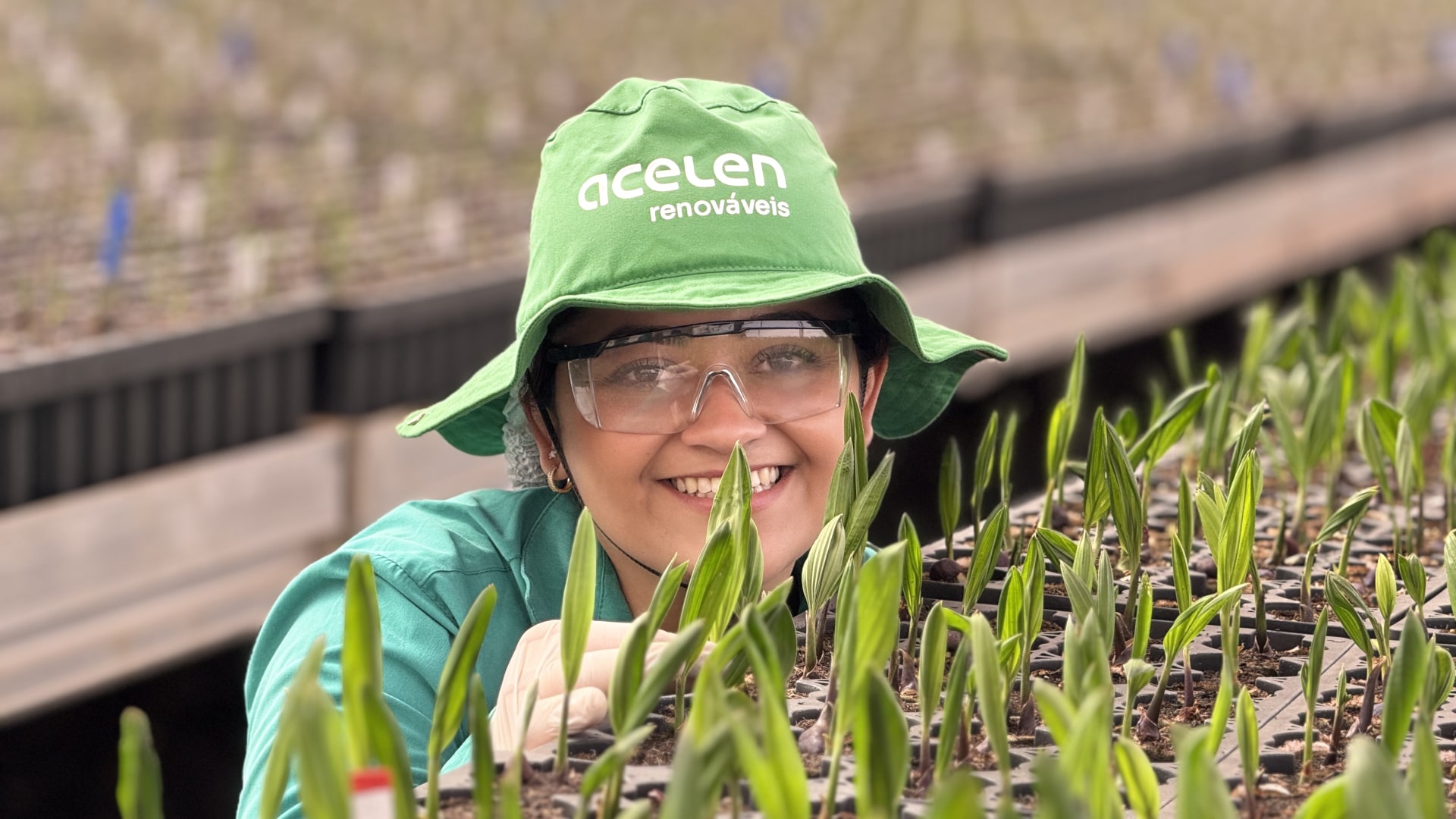
ACELEN RENEWABLES → Biofuel traceability infrastructure
- tracking sustainable inputs across energy value chains
- supporting emissions verification
Extends implementation into energy transition compliance
- supporting emissions verification
Extends implementation into energy transition compliance
Learn more
Realistic View
Implementation timeline
Phase 1 — Pilot (2–4 months)
- single product / site
- initial data integration
- initial data integration
Phase 2 — Scale (4–8 months)
- multiple products
- supplier onboarding
- supplier onboarding
Phase 3 — Industrialisation (6–12 months)
- multi-site deployment
- full certification integration
Most companies underestimate this timeline
- full certification integration
Most companies underestimate this timeline
Strategic insight
Mass balance implementation is not an IT project.
It is a transformation of how sustainability data flows through the business

What success looks like
A successful implementation delivers:
✔ real-time traceability
✔ audit-ready certification data
✔ scalable across sites
✔ integration with core systems
✔ credible sustainability claims
✔ real-time traceability
✔ audit-ready certification data
✔ scalable across sites
✔ integration with core systems
✔ credible sustainability claims
FAQ
Frequently asked questions
Everything you need to know about implementing mass balance in chemicals.
How do you implement mass balance in chemicals?
By integrating supplier data, production systems and certification workflows into a digital traceability system that tracks inputs, allocation and outputs.
What systems are required for mass balance?
ERP integration, data capture from suppliers, allocation engine, and compliance reporting tools.
How long does implementation take?
Typically 3–6 months depending on scope and number of sites.
Can mass balance be done manually?
Only at small scale. Industrial implementations require digital systems to ensure accuracy and auditability.
What is the biggest challenge in implementation?
Data integration across suppliers and production systems.
Still have questions?
Can’t find the answer you’re looking for? Please chat to our friendly team.
Watch a full demo of our solution
Track and verify sustainable materials with confidence. Stay ahead in mass balance accounting and emissions reporting.


Redefining the future of
sustainable supply chains
Get in touch


.png)
